I recently got back from the most amazing week at the OpWall field course at Knepp Estate! I had a fantastic time and learnt so much from all the other course members and also staff and volunteers there about all aspects of wildlife and conservation. Here is what I got up to each day!
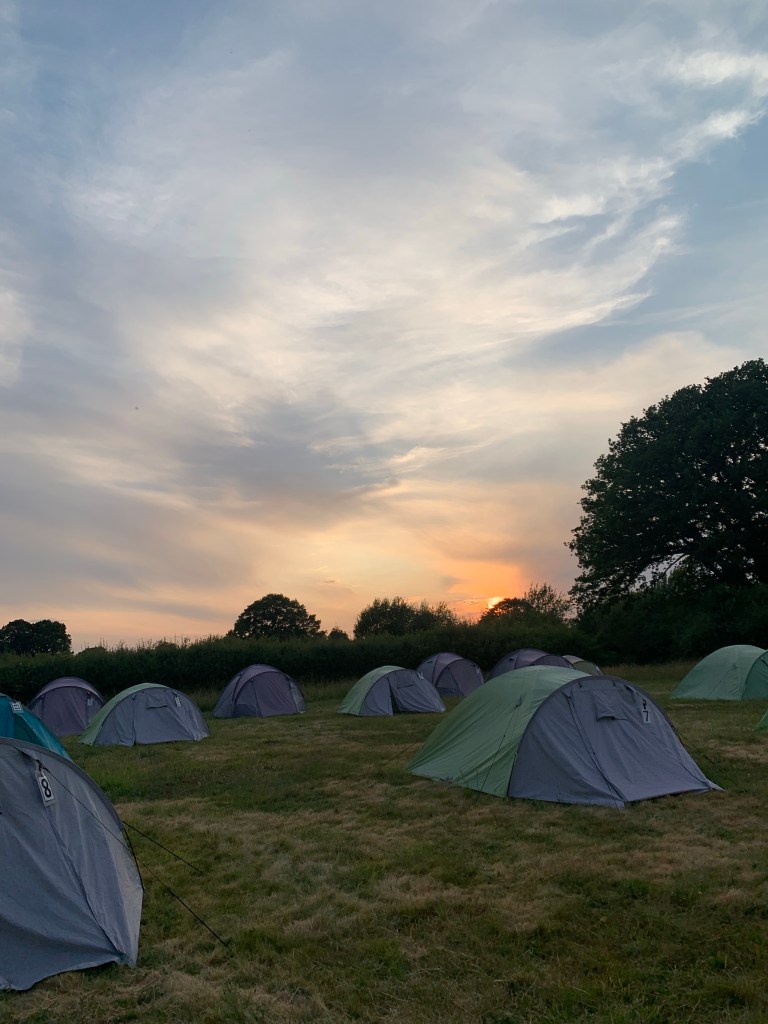
Day 1:
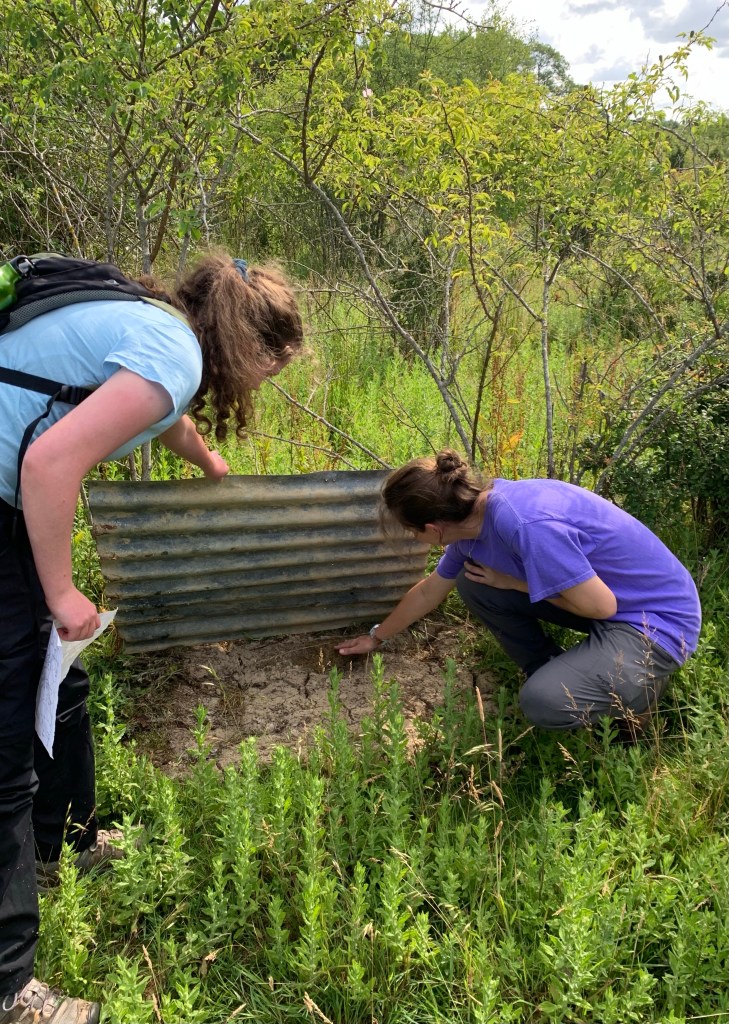
I started out with the Herpetofauna group by doing some cover trap surveys round the site. We found lots of different species including Slow Worms and Grass Snakes and it was amazing to see them up close and learn about how to age and sex them!


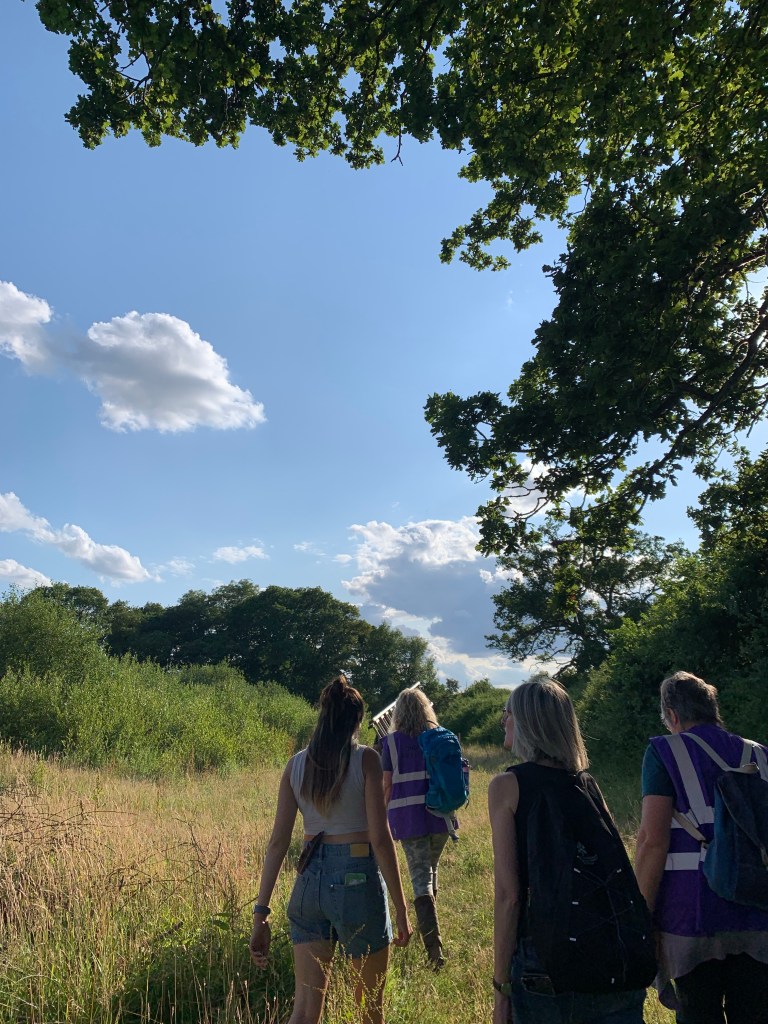
In the afternoon I headed out on a brilliant rewilding safari where we learnt so much about the work going on at Knepp and the different species that now call it home! Some highlights were seeing our first views of White Storks and hearing so many different species of warbler 🎼


Day 2
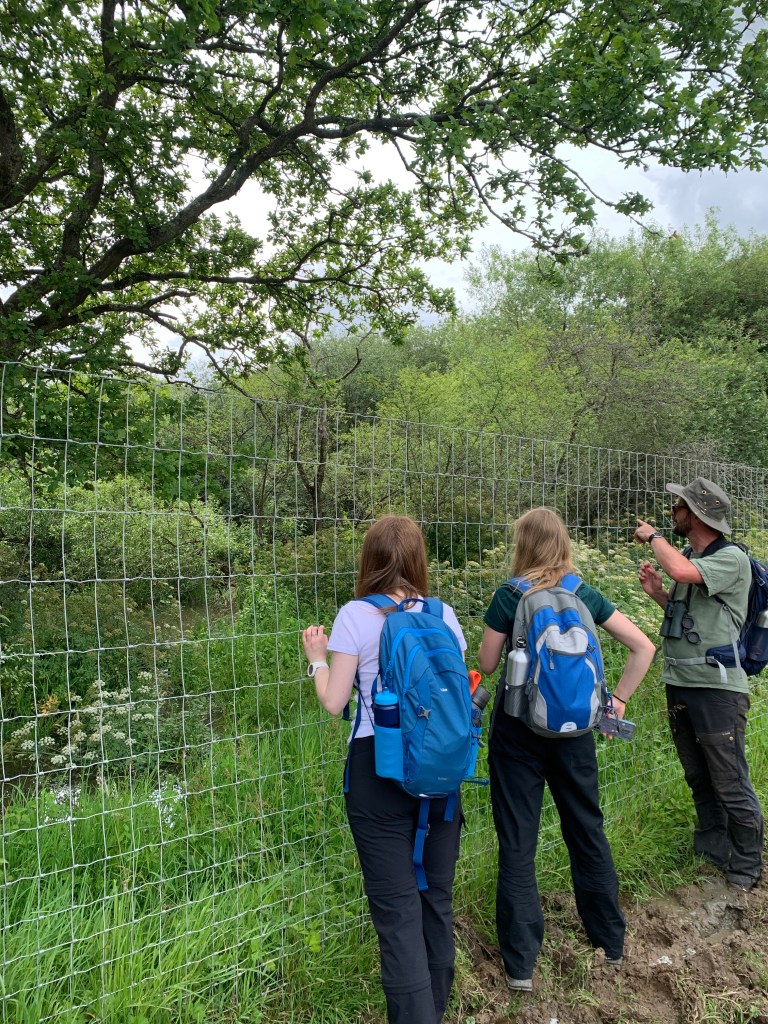
Today I joined the habitats group where we went out learning how to ID different grassland, woodland and scrubland species in order to help us classify different parcels of land using UK Hab! It was really interesting and something I hadn’t heard about before so amazing to learn about in detail 🌿
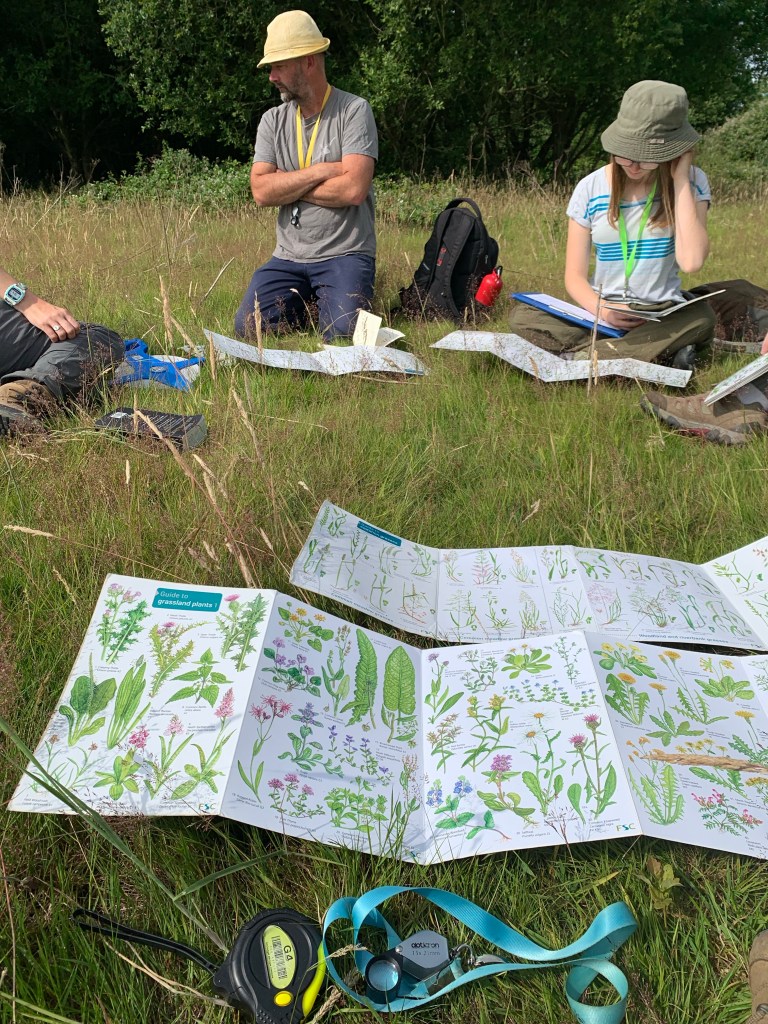
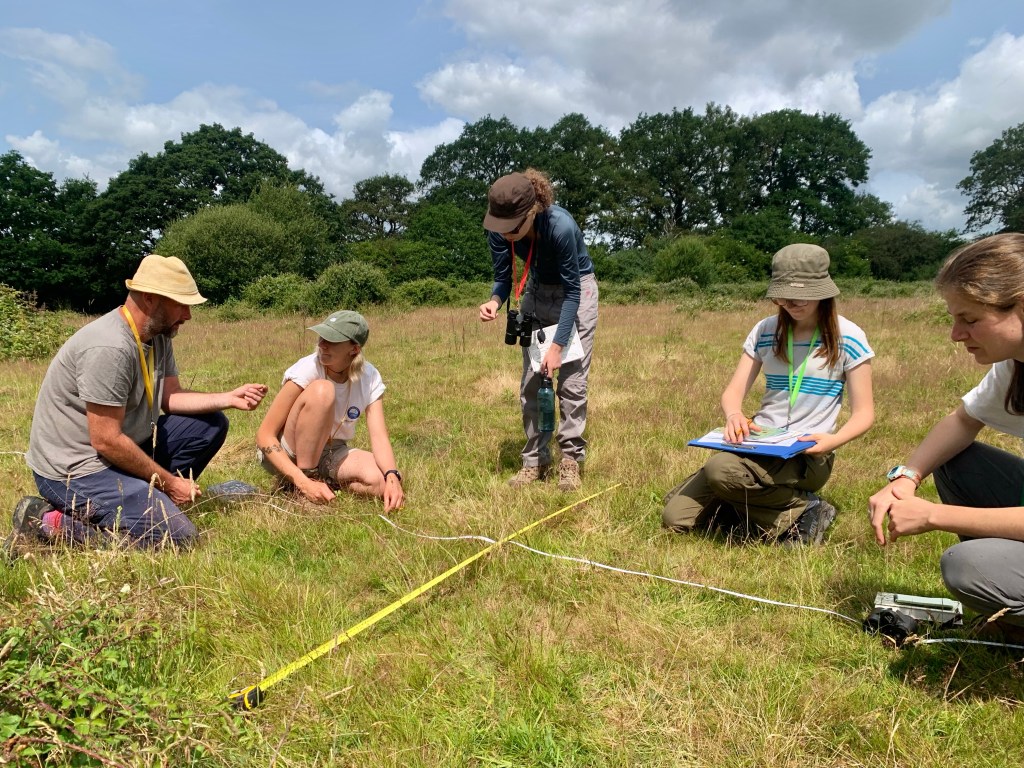
We also did a transect survey in our grassland site where we put our ID learning into practise and recorded all of the species we could find in quadrats 🌸
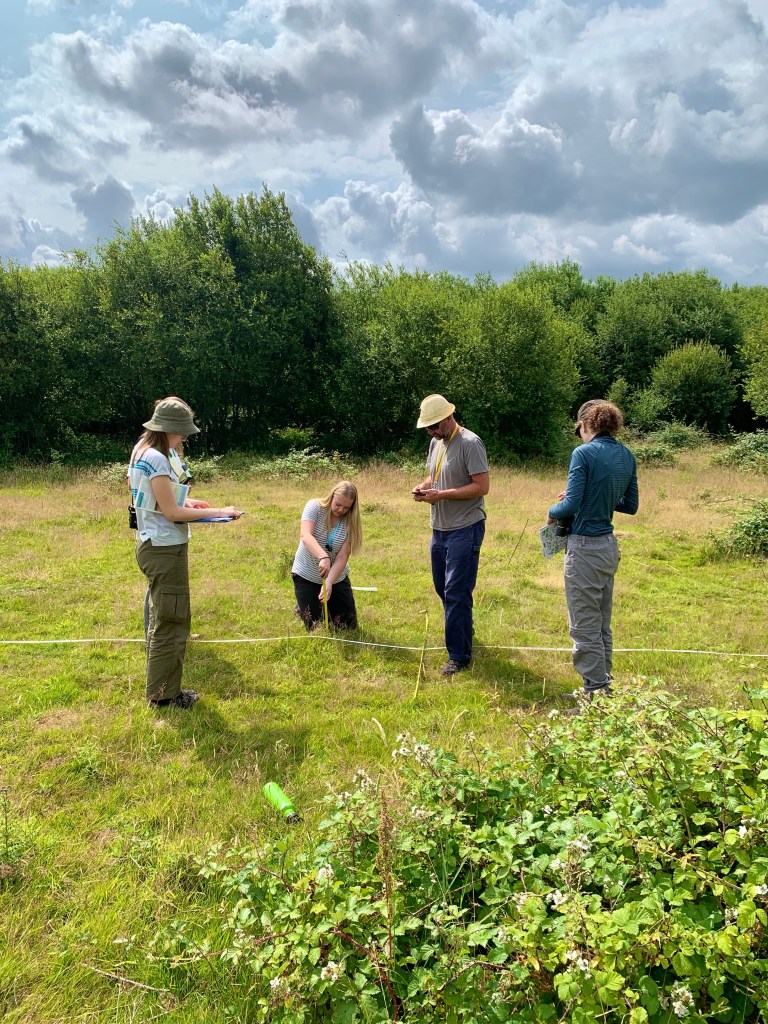
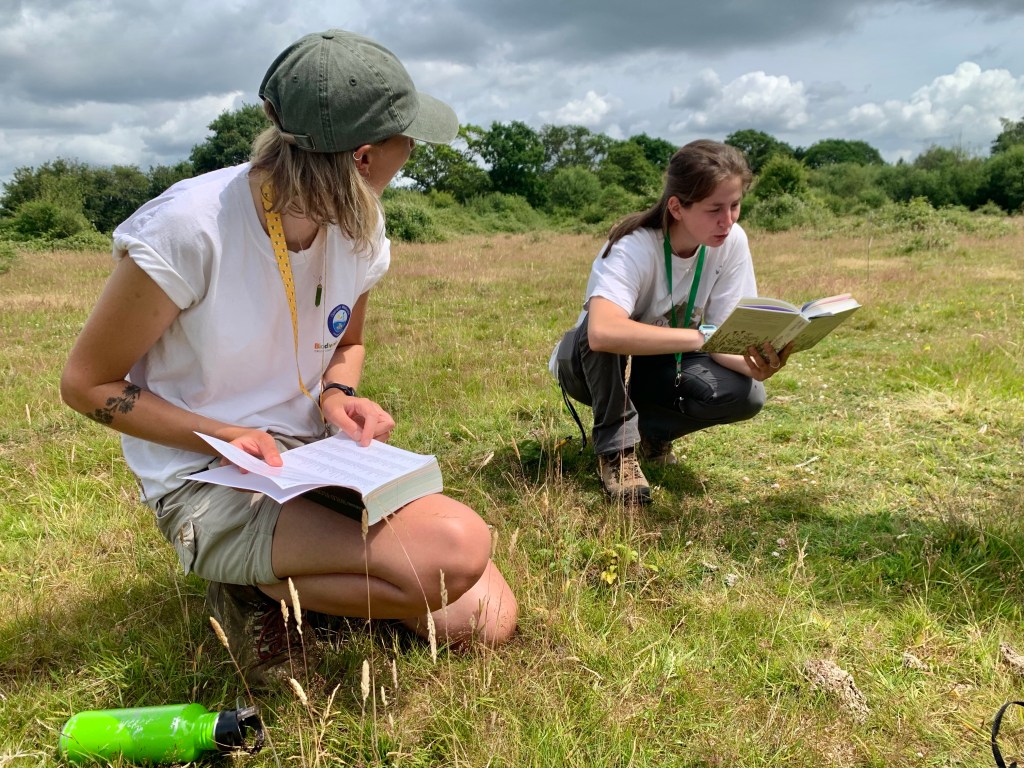
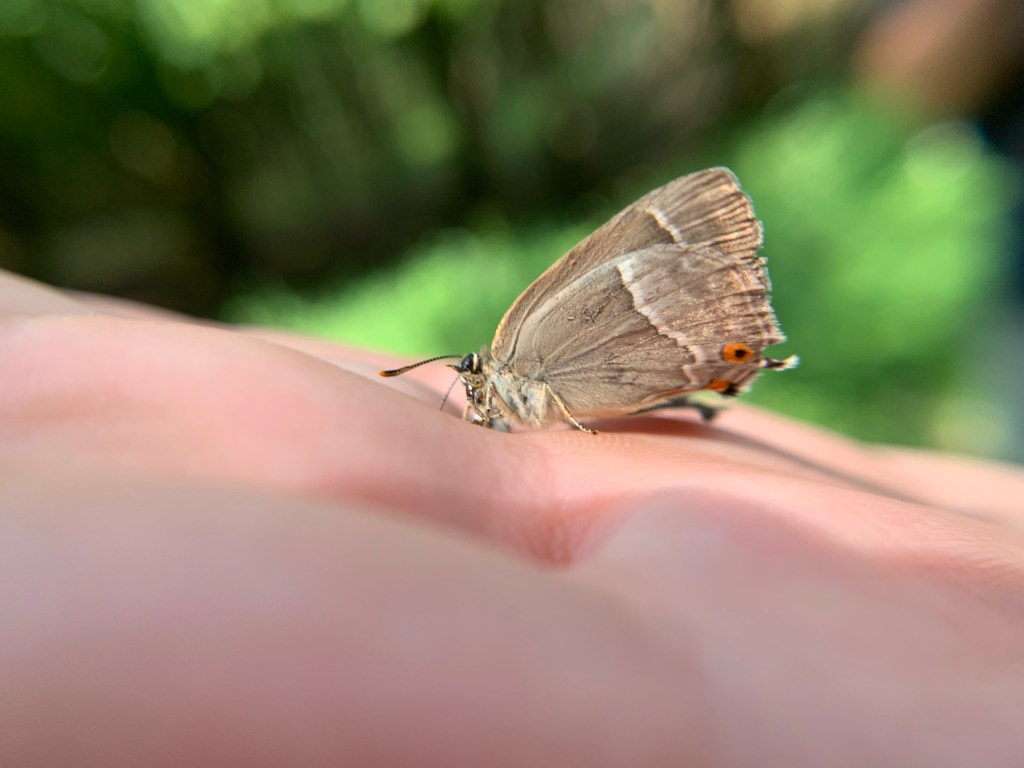
A big highlight of the day was also seeing two Purple Emperor butterflies flying around right in front of us and they also landed on another camp members bag which was incredible!
In the evening we had a brilliant lecture all about the bats at Knepp from before heading out on a walk round the site! We also got the chance to see a beautiful little Pipistrelle that Ryan the bat man had brought from the bat hospital. It’s incredible to see them so up close and it was so much smaller than I thought it would be! 🥰
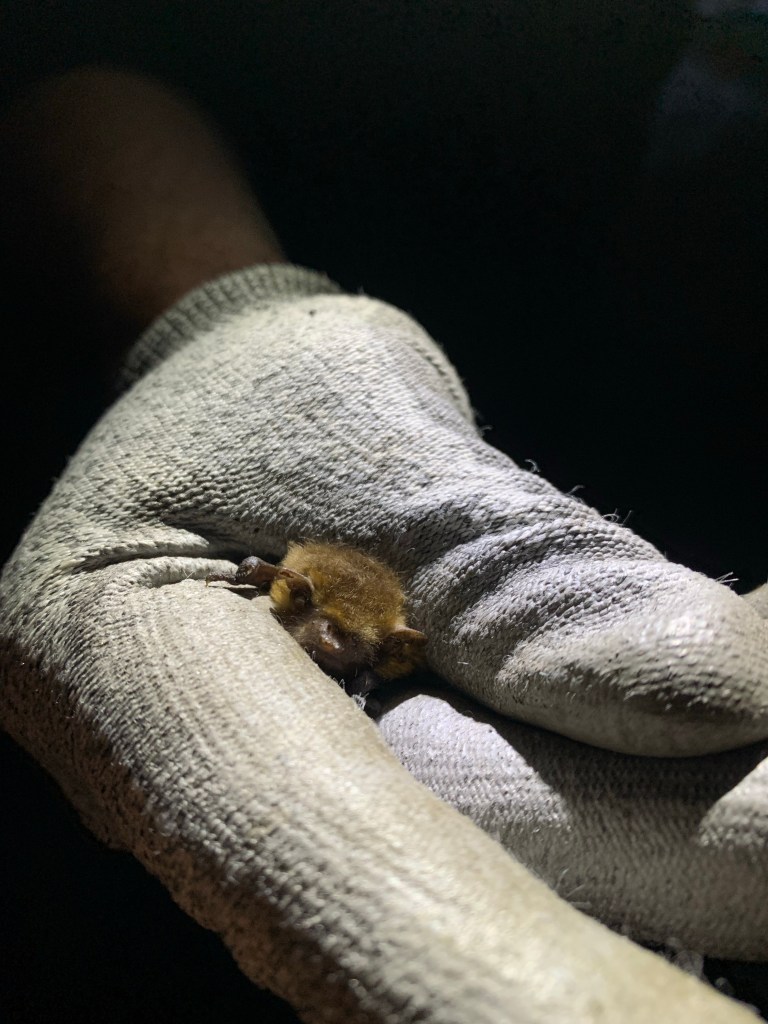
On our bat walk we recorded 5 species of bat including Common and Soprano Pipistrelles and also Daubentons down at Hammer Pond!
Day 3
Day 3 at Knepp started with an early rise for some bird ringing in some scrubland! We caught lots of lovely species including lots of warblers like Blackcaps, Whitethroats and Chiffchaffs 🌿
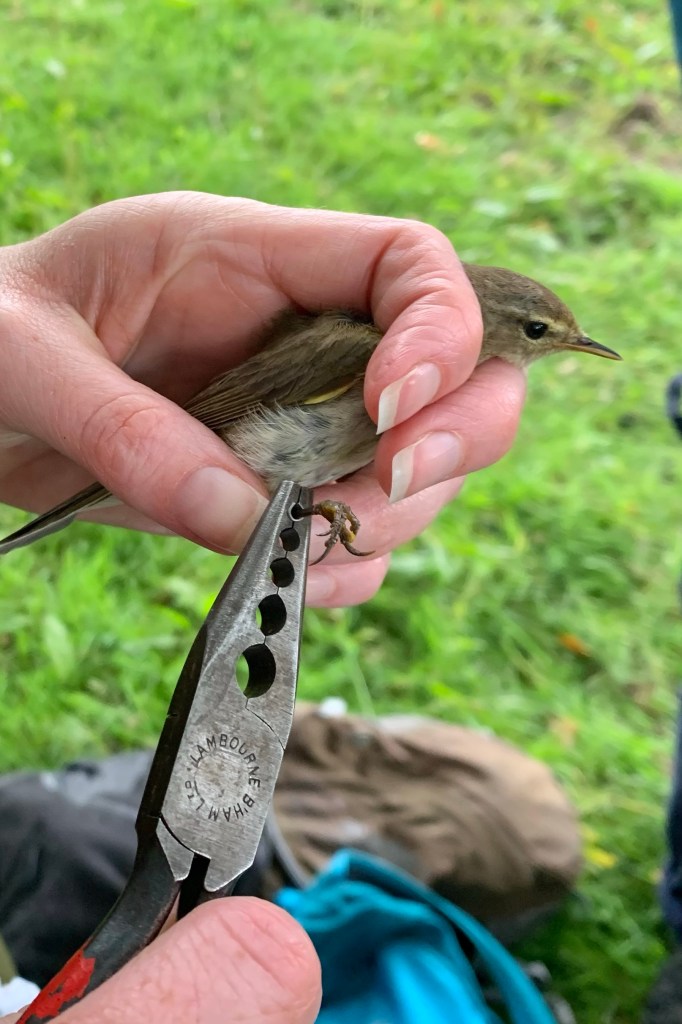

The highlights for me was lots of Lesser Whitethroats as we don’t catch as many back home. I managed to ring 4 this morning which was brilliant and a great opportunity to increase my knowledge on how to age them plus they are also super cute 🥰
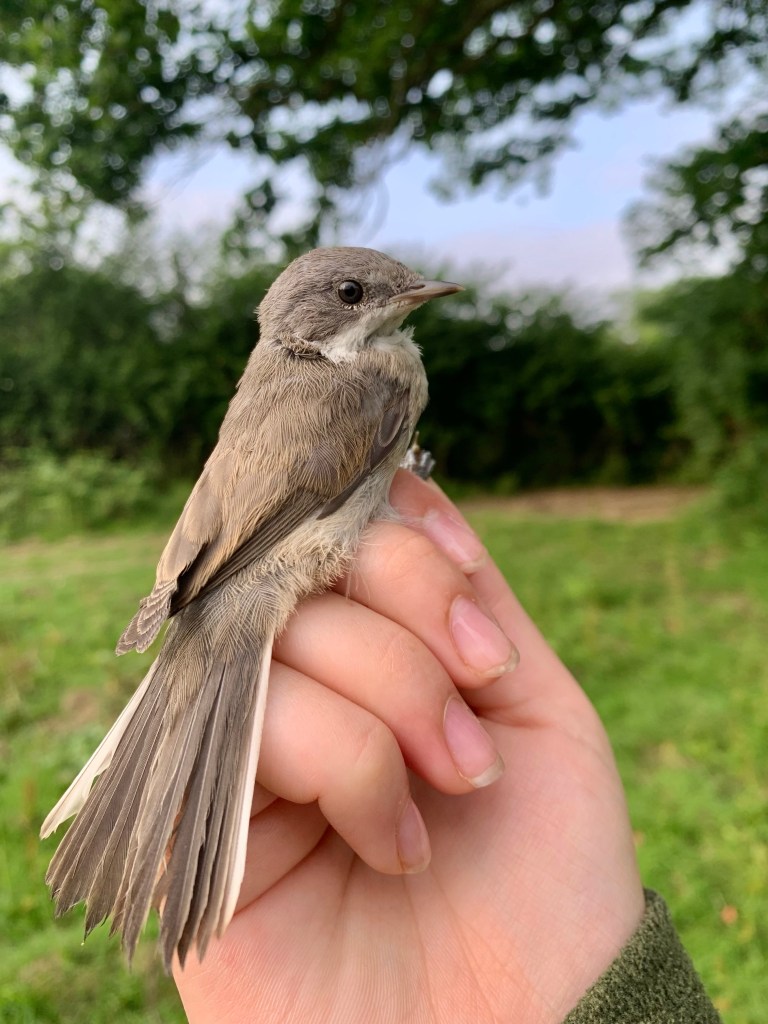
Later in the morning we headed deeper into some scrubland and also woodland to do some breeding bird surveys and point counts. My favourite species that we recorded was a singing Garden Warbler only a few metres from us! 😍

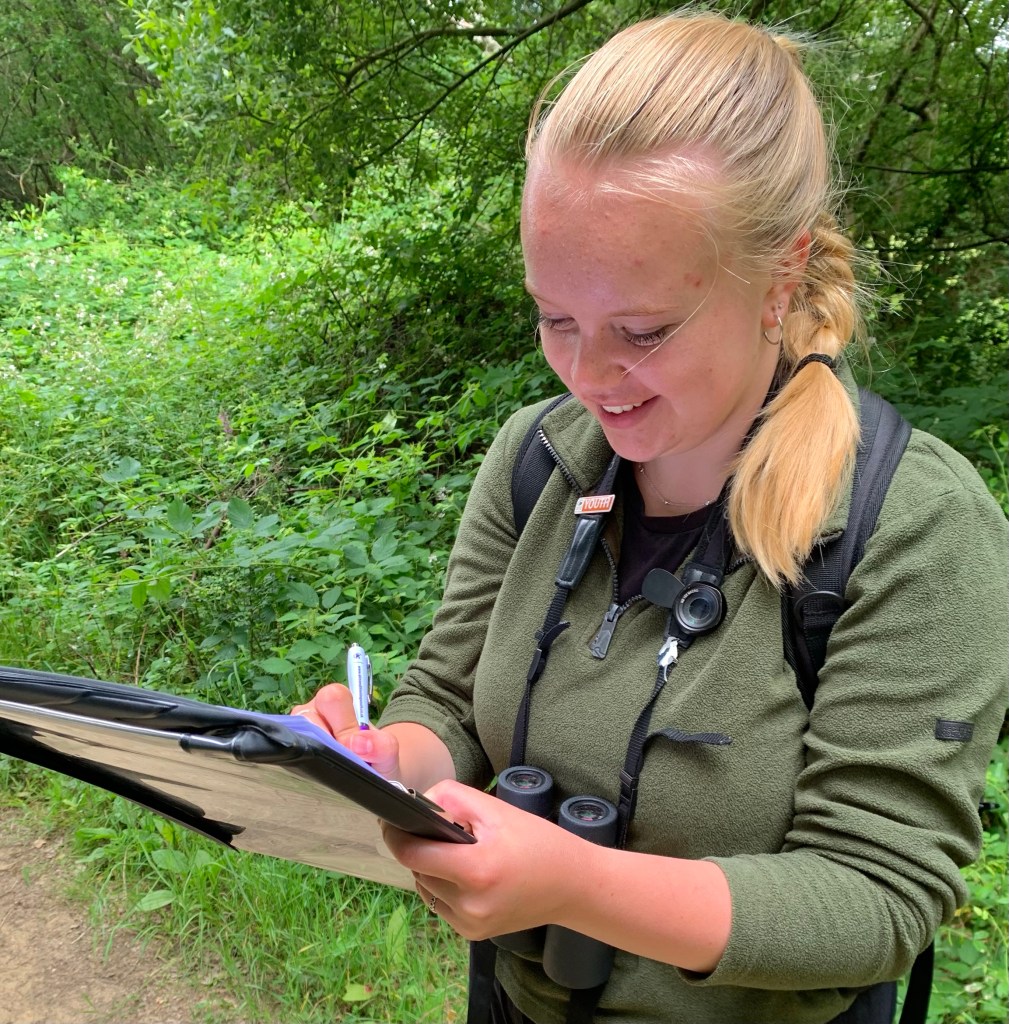
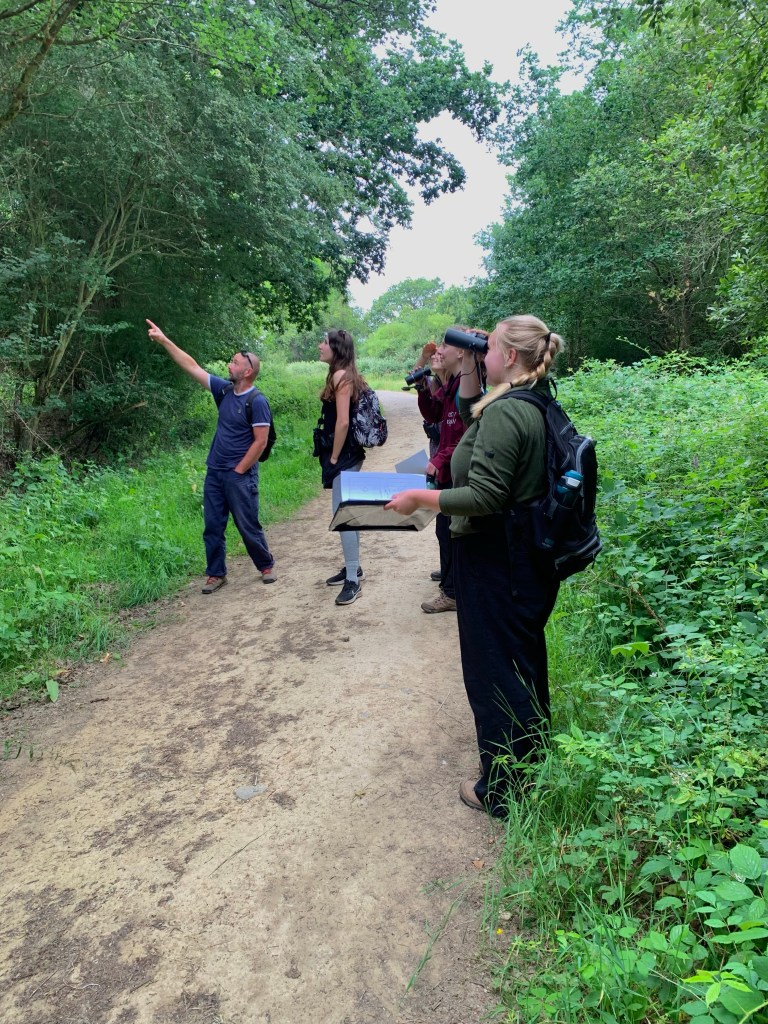
In the afternoon I joined the mammal team to do some distance sampling of the ‘big 5’ at Knepp which include: Fallow deer, Tamworth Pigs, Exmoor Ponies, Red Deer and Longhorn Cattle which were introduced to be ecological engineers basically!
In our survey we recorded a lovely Tamworth pig and also saw three piglets on the way back which have stolen my heart 🥰💚
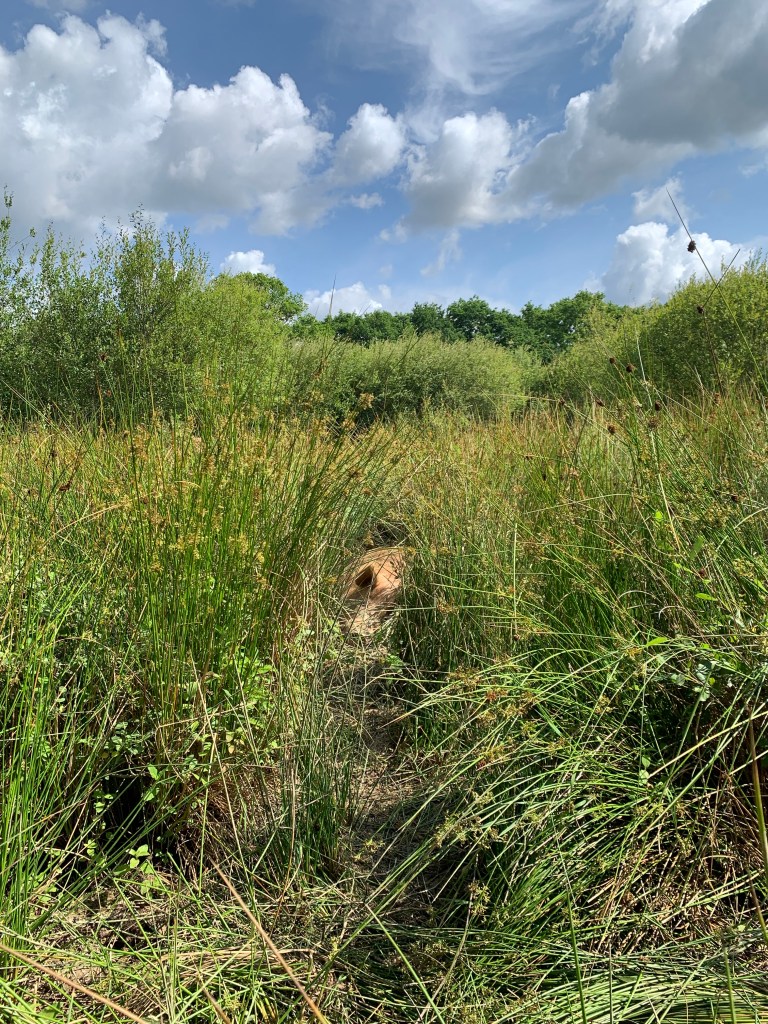
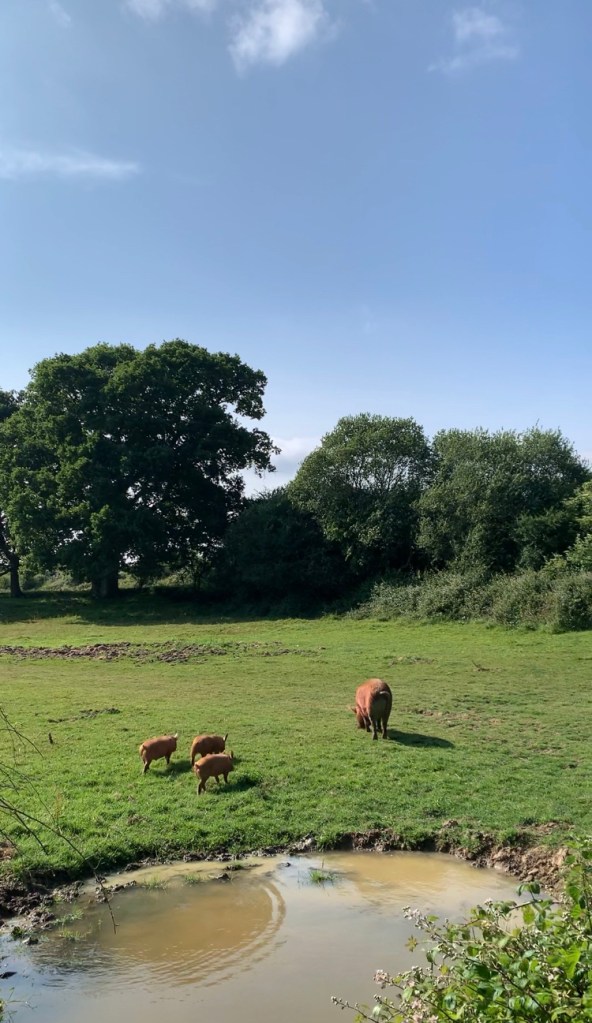
During our survey we record the species; how many individuals we can see, the distance and angle from the observer using a rangefinder and compass and also the age and sex if we can.

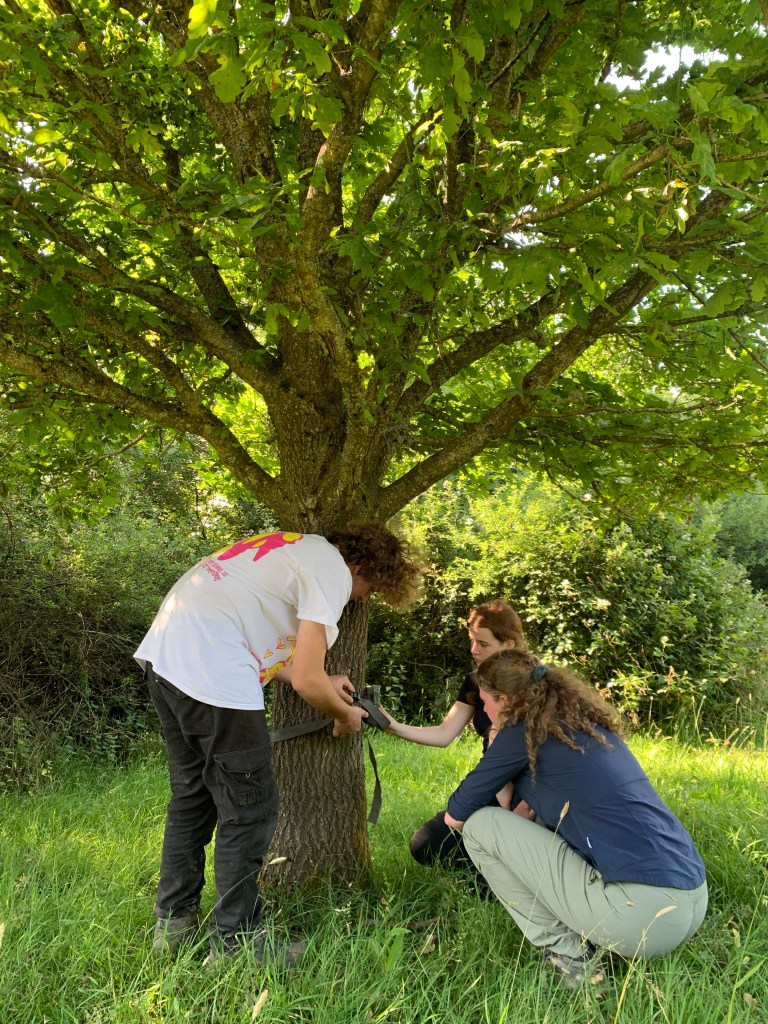
We also set up some camera traps so fingers crossed for some footage of mammals in a few days! 🦌🐖

Day 4
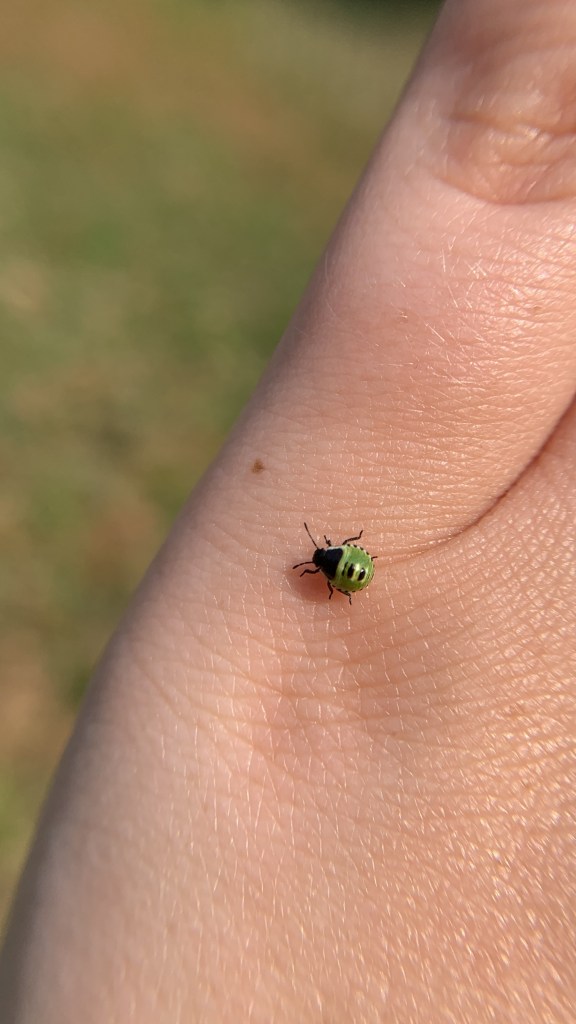
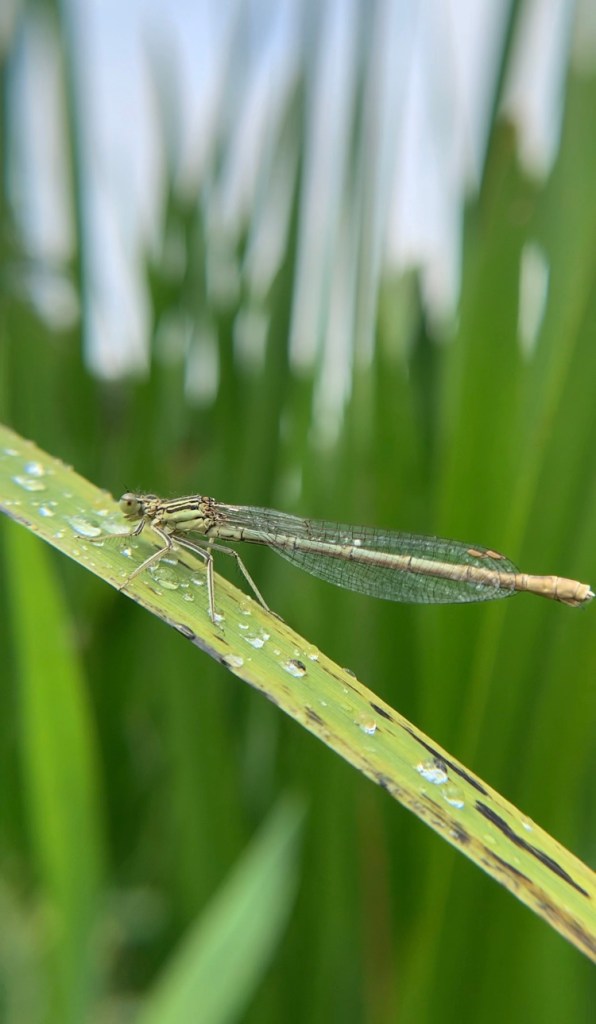
On Thursday, I started out with the inverts group but it was a bit rainier than we had hoped so in the morning we had some lectures on insects and bee anatomy instead to let the grass dry up.
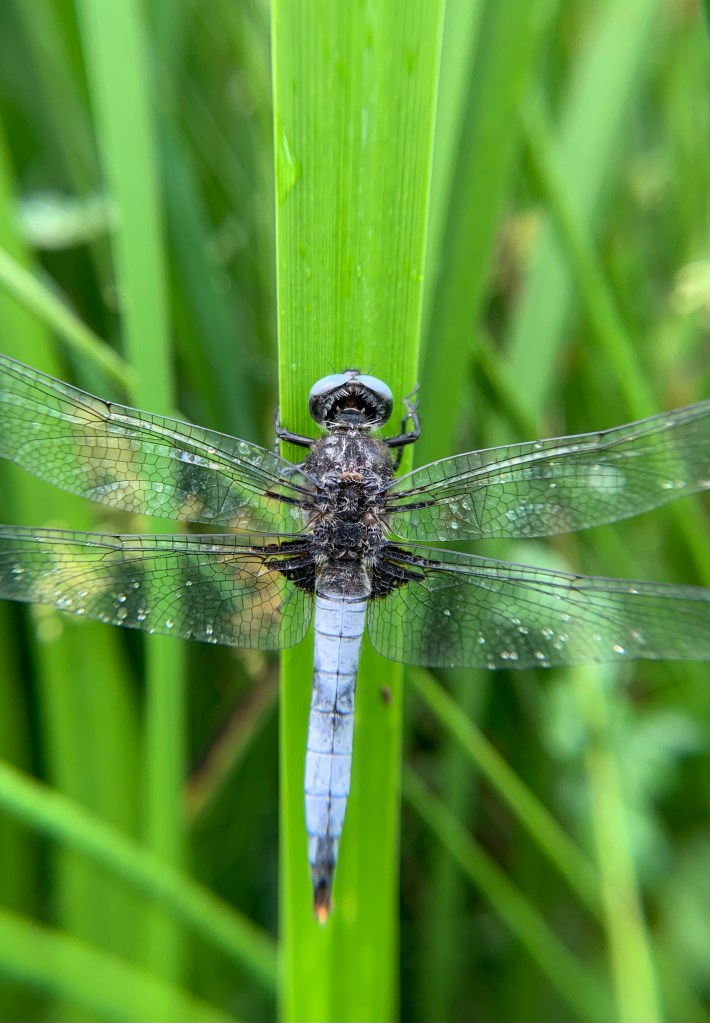
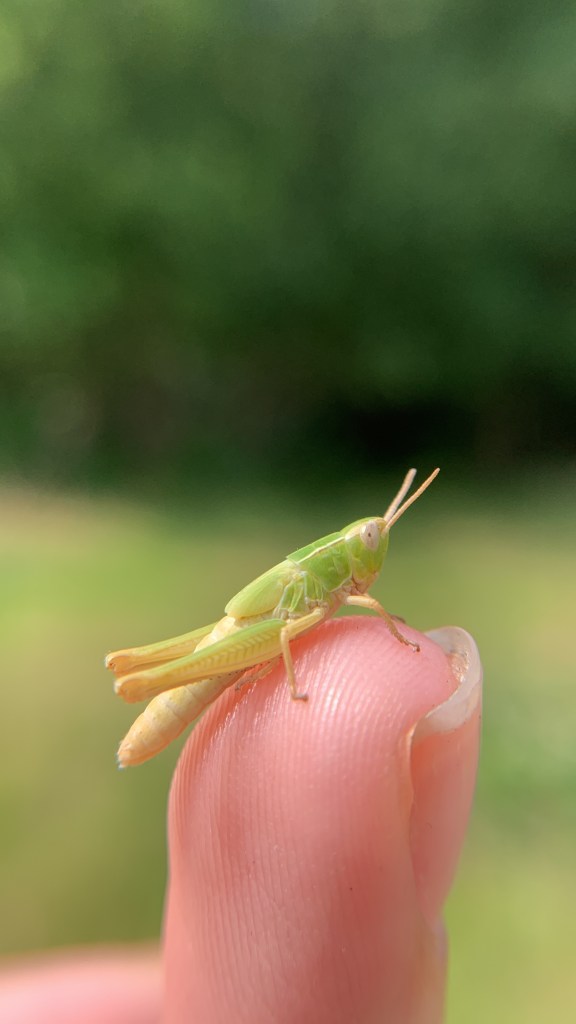
In the afternoon, we headed out to do some sweep netting and pootering and sampled 2 sites in total, one grassland and Reed habitat and one in the plantation and beside a natural woodland edge.

Once we got back we tried to identify a few species before pinning them ready to be sent off to the Natural History Museum for analysis.
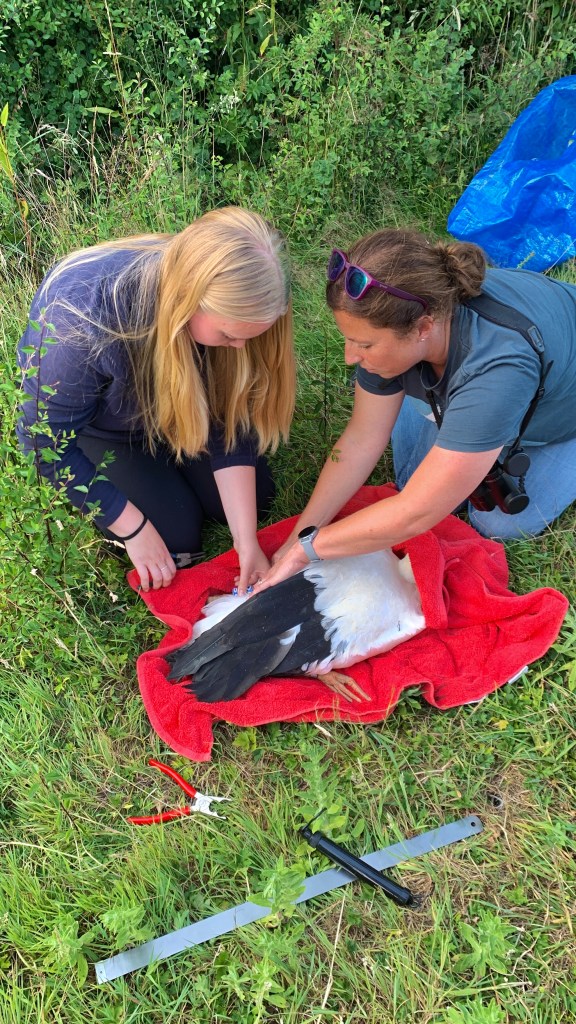
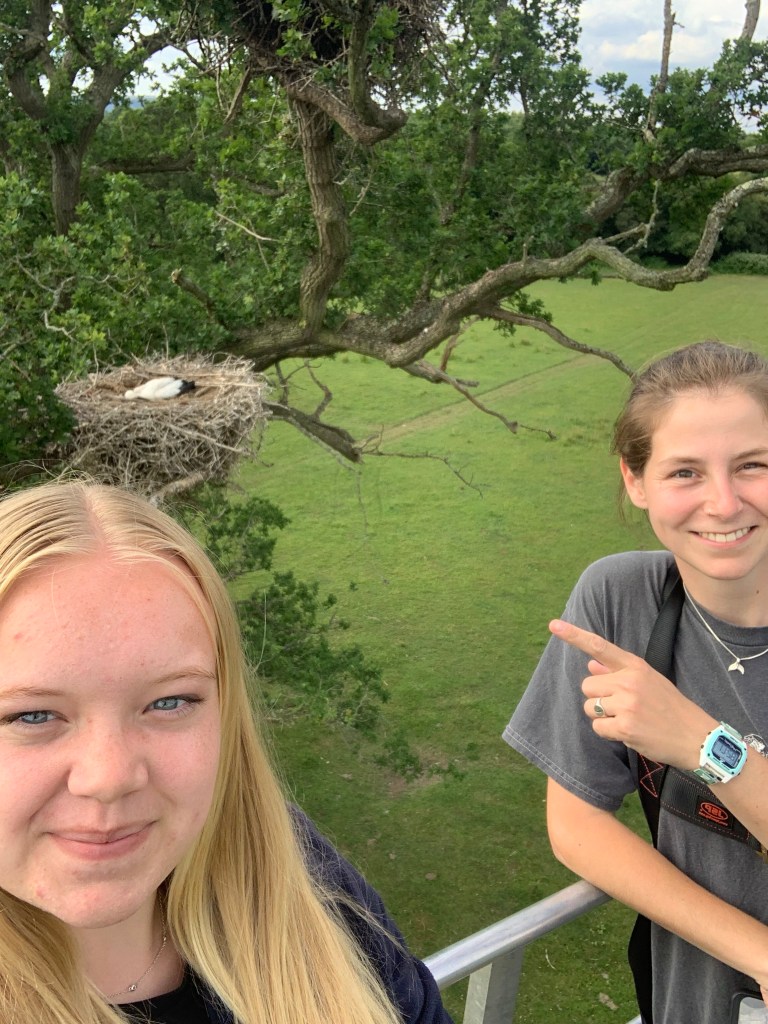
In the evening, I had the most amazing opportunity to go and ring one of the White Stork Chicks that have hatched at Knepp!
There is significant evidence to show that White Storks were once a breeding bird of Britain, with an archaeological record stretching back 360,000 years and so that is why the reintroduction project started to bring them back to the land they once roamed!
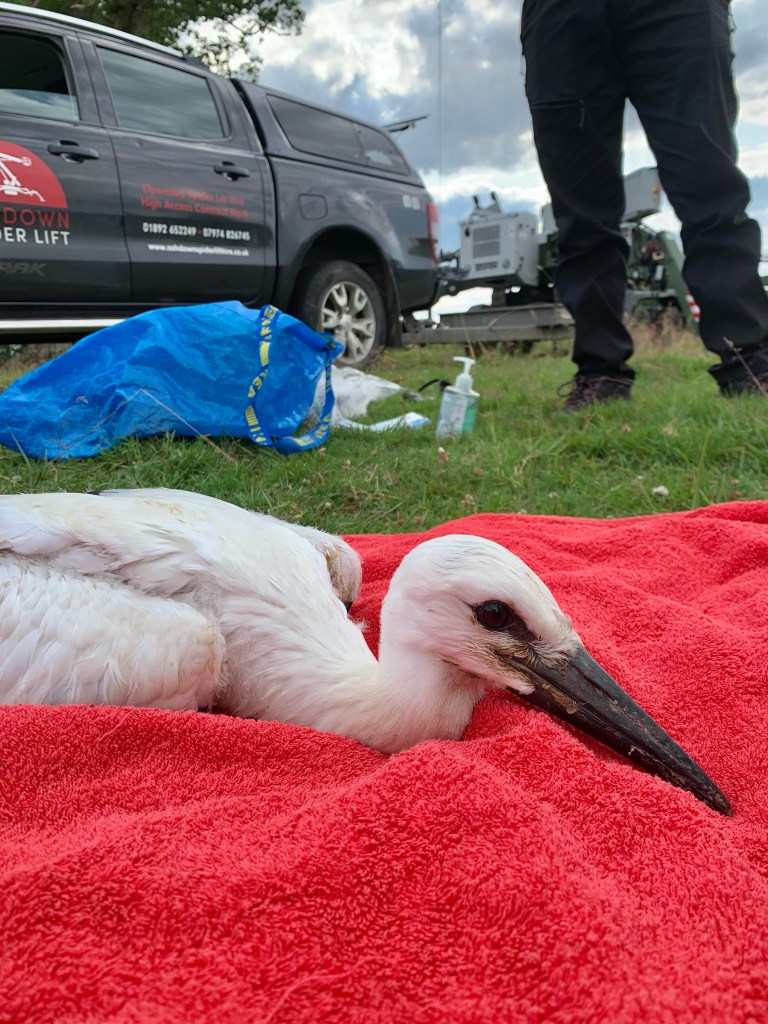
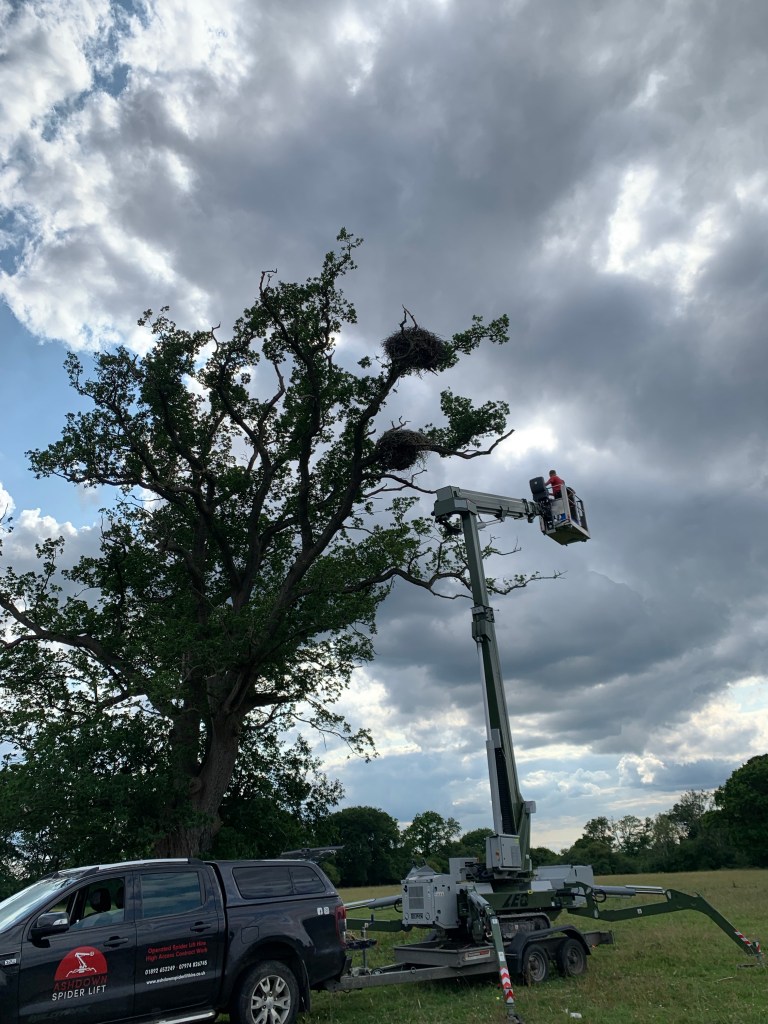
The project is doing amazingly well with lots of successful wild nests this year with 27 chicks and having the chance to ring one of them is absolutely incredible!!

During the ringing, we attach a metal BTO ring as well as a colour ring to make them easily identifiable in the field. We also take some measurements including the leg length, weight and wing length as well as a few feathers which are sent of for DNA analysis to tell us the sex of the individual.


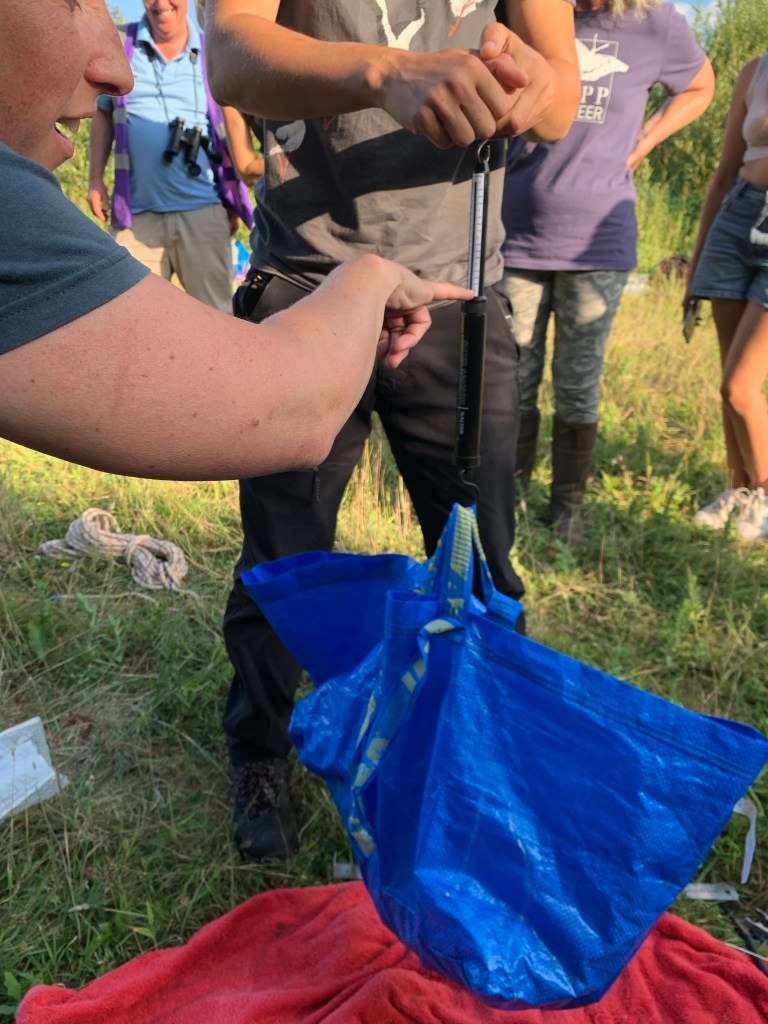
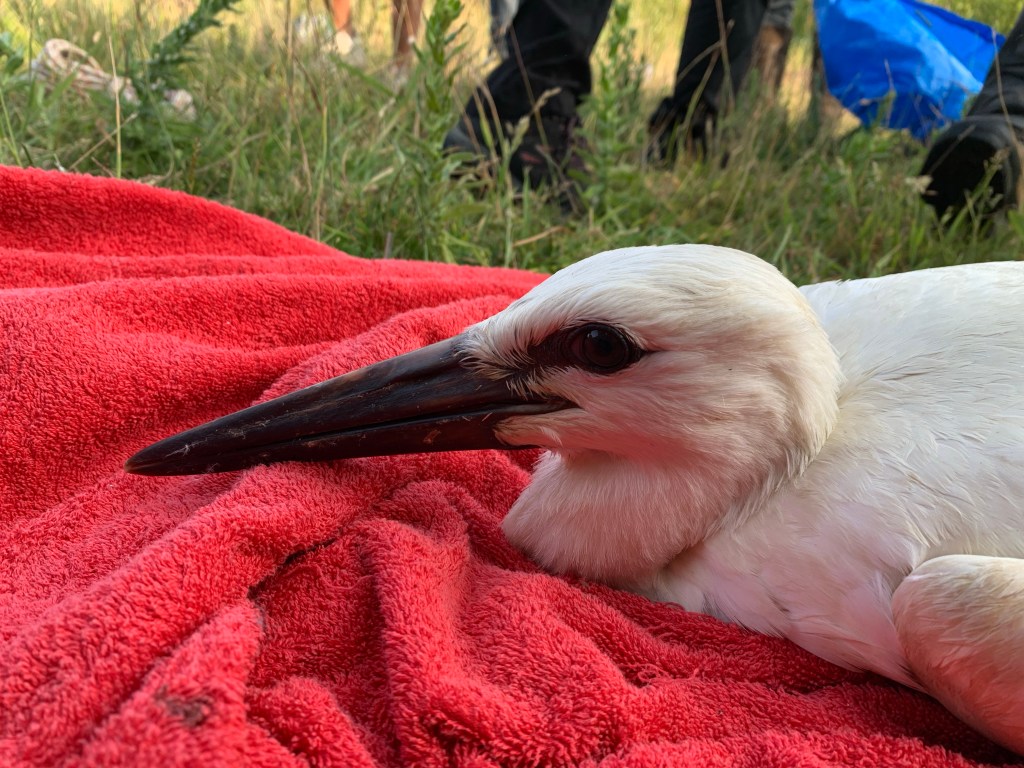
A massive massive thank you to Penny Green the ecologist at Knepp and the White Stork Project for giving me this opportunity and making it such a brilliant experience!
Whilst we were ringing the Storks, the tree surgeon had a quick look in a nearby copse and managed to find a Sparrowhawk nest!!!
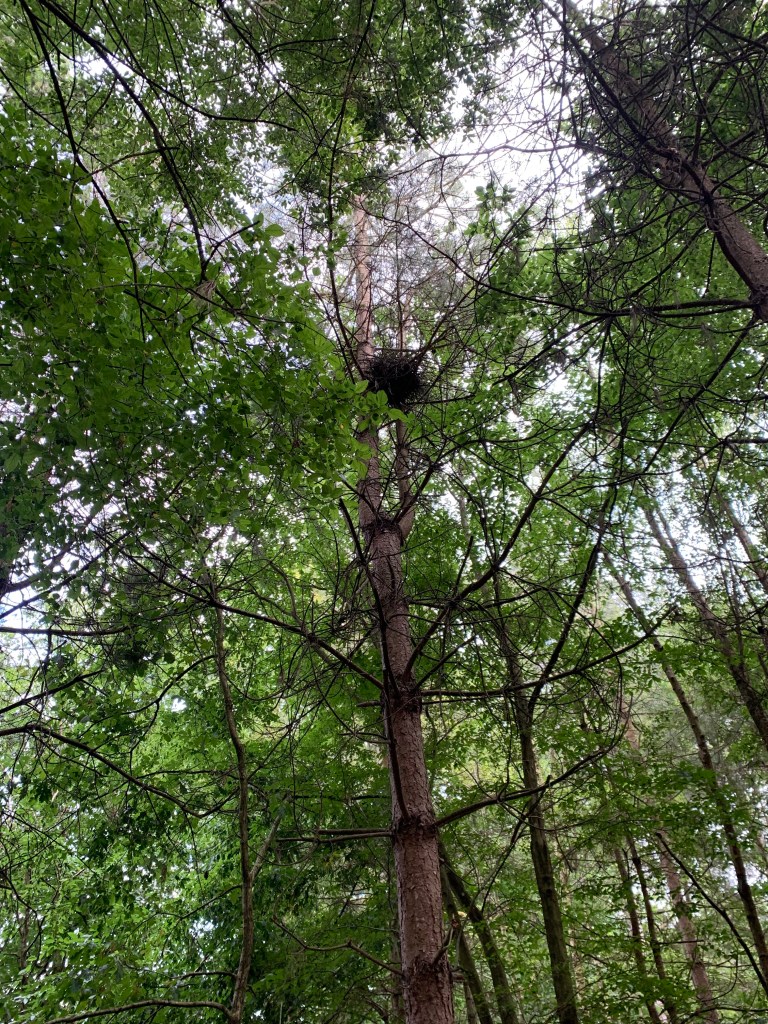
The chicks were a perfect size and so I had the opportunity to ring one which was amazing as I have never ringed a Sparrowhawk chick before 😍
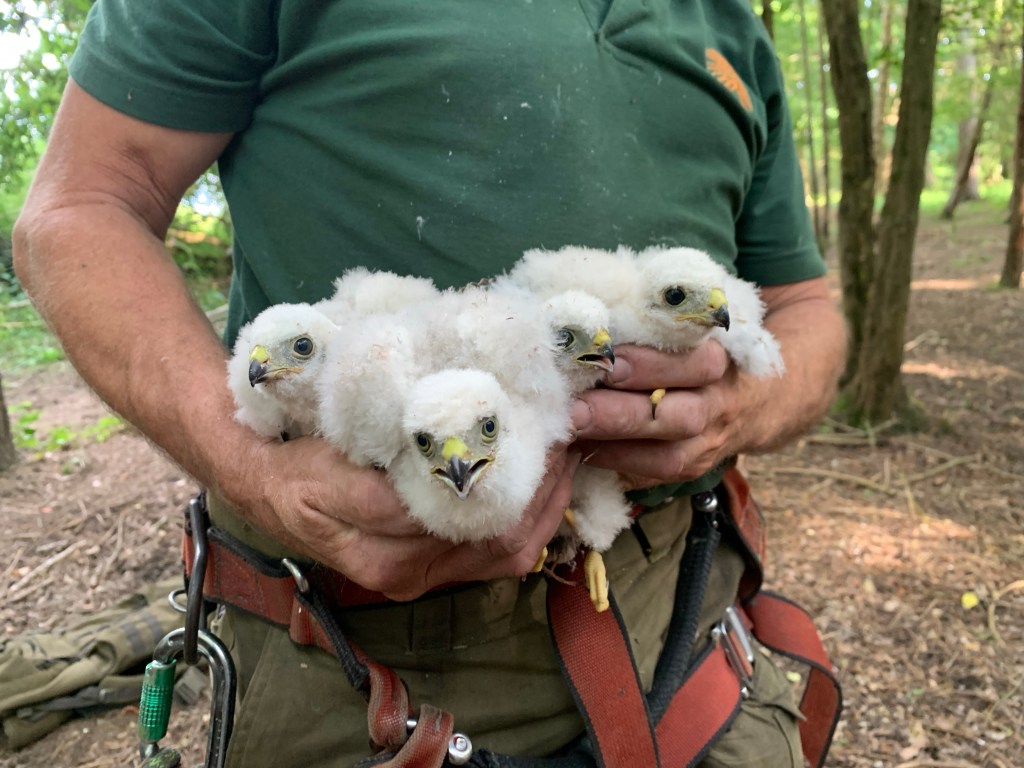
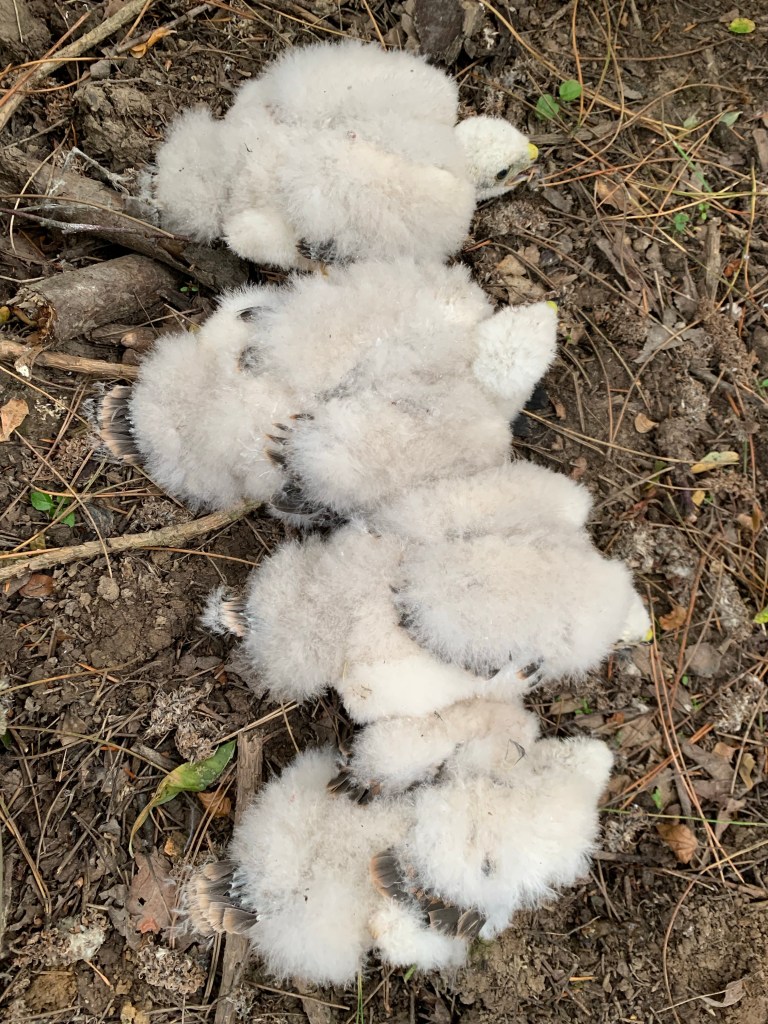
They are super fluffy and adorable and it was an incredible experience! 🥰
Day 5
Friday morning I got up super early again to help out with the bird ringing demo before getting the train back home!
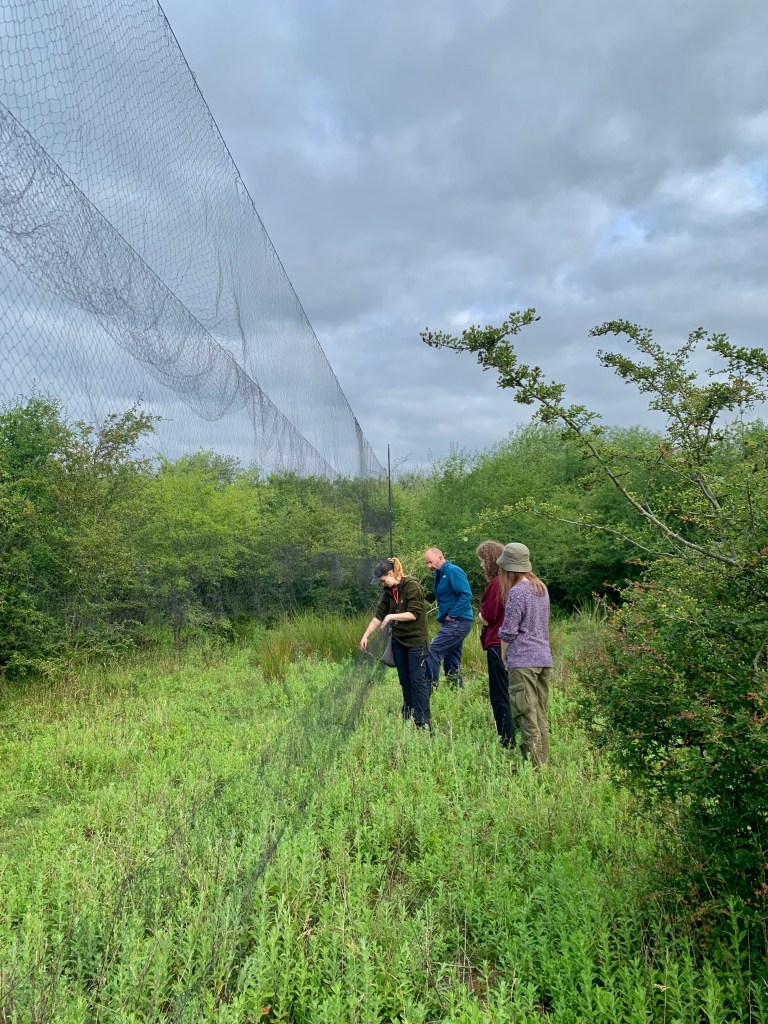
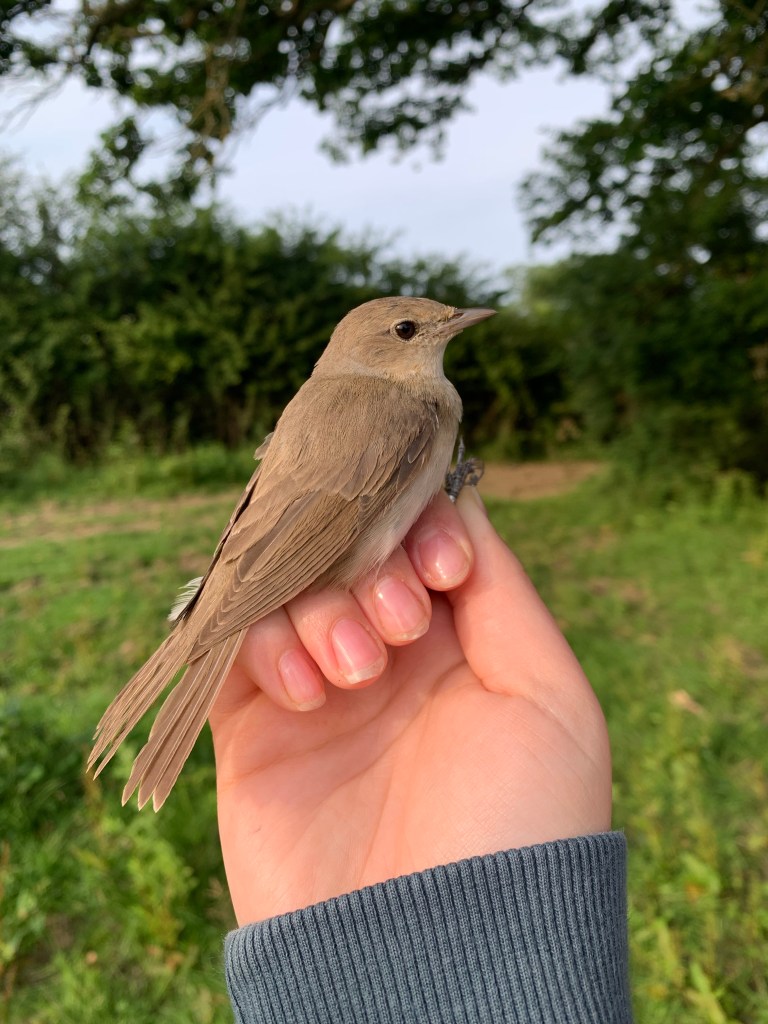

We caught a range of species again including Whitethroats, Dunnocks and a stunning Garden Warbler but the star of the show as this beautiful male Sparrowhawk!
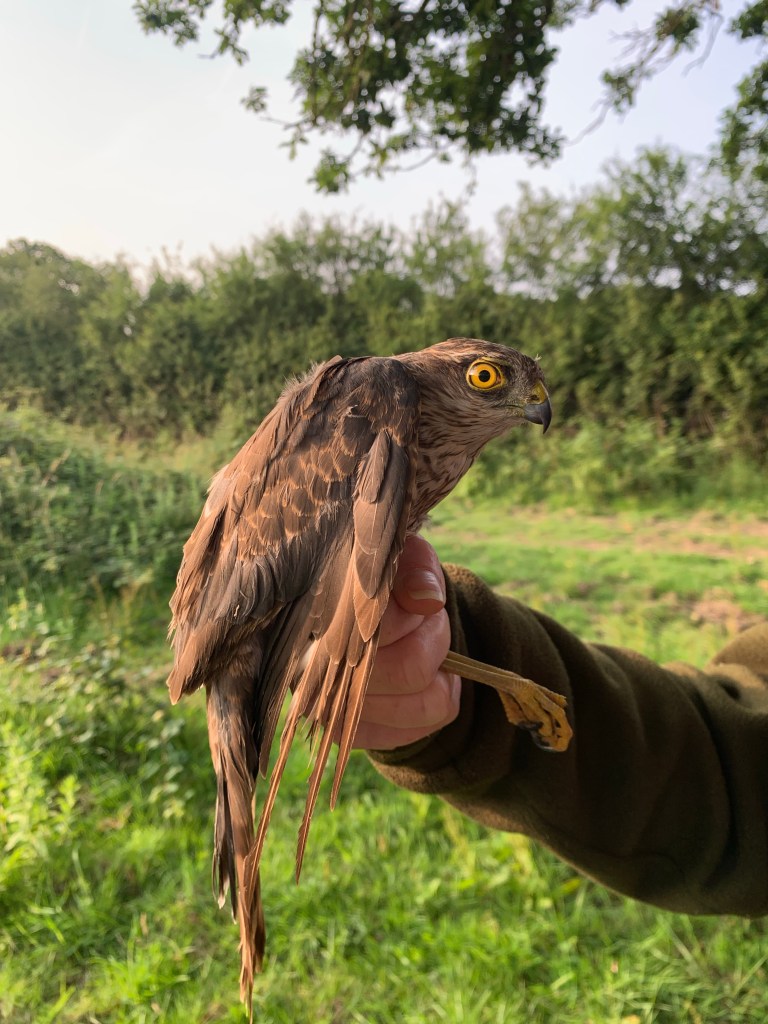
It was lovely to see this incredible raptor so up close and learn more about how you can age them.
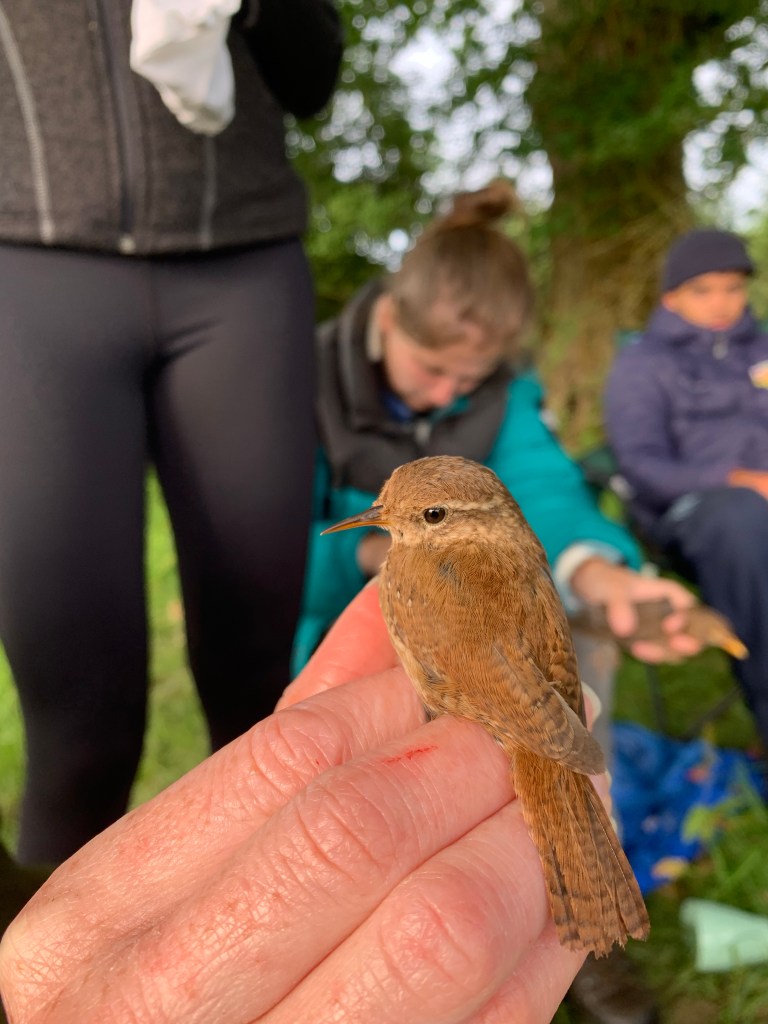
The whole week was absolutely amazing, I learnt so much about surveying techniques and rewilding as well as making new friends with similar interests!
https://knepp.co.uk/visit-knepp/operation-wallacea/



 Young Naturalist: Izzy Fry